Why Do I Sweat So Much
Common Causes & Tips
Why Do We
Sweat?
Sweat is a natural bodily function that helps regulate body temperature and keep you cool. Produced by sweat glands throughout the body, sweat is mostly water and salt1. When your body temperature rises due to heat, exercise, or stress, your sweat glands release moisture onto your skin, which then evaporates to cool you down1,2. While sweating is essential for maintaining your body's temperature, the amount we sweat can vary naturally from person to person, depending on factors such as hormones, stress levels, and individual physiology. In some cases, sweating may become excessive and occur more than is necessary for temperature regulation3.
What Is
Excessive Sweating?
Excessive sweating, also known as hyperhidrosis, is a condition where the body produces more sweat than is necessary for temperature regulation4. While sweating is a natural mechanism to cool the body, individuals with hyperhidrosis experience overactive sweat production, which can occur even without typical triggers such as heat, exercise, or stress1. Understanding the causes of excessive sweating is essential for identifying appropriate treatment options.
6 Causes of
Excessive Sweating

- 1Primary Hyperhidrosis:
This type is often hereditary, meaning if a relative has it, you might too. Other than genetics, there are usually no obvious causes, and it typically affects localised areas such as the hands, feet, and face5.
- 2Secondary Hyperhidrosis:
This type of excessive sweating is usually caused by underlying health conditions such as heart disease, diabetes, obesity, or anxiety. Unlike primary hyperhidrosis, it often affects the entire body rather than specific areas6. It can also occur during sleep in the form of night sweats, which are often triggered by hormonal changes, medications, or underlying health conditions7. Please be sure to seek medical attention if you're worried or experiencing symptoms.
- 3Environmental Factors:
High temperatures, humidity, and physical exercise can cause the body to sweat more than usual. Your body’s natural cooling process activates to maintain a balanced temperature8.
- 4Emotional Stress:
Anxiety, nervousness, or emotional triggers can result in increased sweating. This is often most noticeable in social or stressful situations9.
- 5Medical Conditions:
Conditions like hyperthyroidism, diabetes, or menopause can cause excessive sweating. If you are concerned about excessive sweating, it's recommended to consult with a doctor to identify potential underlying causes and receive appropriate treatment10.
- 6Diet & Lifestyle:
Spicy foods, caffeine, and alcohol can trigger excessive sweating by stimulating the nervous system, raising body temperature, and increasing heart rate11.
Sudden or
Increased Sweating
Sudden or increased sweating can feel more noticeable when it appears without a clear trigger or becomes more frequent than usual. While sweating levels naturally vary, changes in stress, hormones, illness, a fever, medication, or environmental factors like heat and humidity can all influence how much you sweat12.
If you notice a persistent or unexplained change in your usual sweating pattern, it is recommended that you speak with a healthcare professional to understand the possible underlying cause.
Facts Overview
Causes of Excessive Sweating?
Hyperhidrosis is excessive sweating which may be due to genetic factors (primary hyperhidrosis) or underlying health problems (secondary hyperhidrosis), and which may be triggered by heat, stress, or occur for no apparent reason.
Preventions for Excessive Sweating:
Wear breathable fabrics, stay hydrated, manage stress, and avoid sweat-triggering foods like caffeine and spices.
Solutions for Controlling Sweating:
Antiperspirants can help control sweat and odour, but if you're sweating excessively and don't know what's causing it, you may require advice from a healthcare professional who can help you identify the cause and prescribe appropriate treatment.
Do Men or Women
Sweat More?
You might have noticed that some people seem to sweat more than others—and yes, gender can play a part. On average, men do tend to sweat more than women, especially during exercise. This is primarily due to natural differences in body composition and hormones. Men typically have more muscle mass and higher testosterone levels, which can lead to a greater number and size of sweat glands13. However, individual factors such as fitness level, temperature, and stress can also affect how much we sweat. Therefore, while general trends exist, sweating remains a highly individual experience.
Excessive Sweating in
Different Areas of the Body
Excessive sweating can affect different areas of the body, and the pattern can vary from person to person. Some people may experience sweating in one specific area, while others may notice it more generally across the body.
- Face and Head: Facial sweating can become more noticeable during heat, stress, or physical activity, as these areas contain a high concentration of sweat glands14.
- Underarms: Underarm sweating is one of the most common forms of excessive sweating and can be triggered by heat, movement, or emotional stress15.
- Hands and Feet: Sweating in the palms or soles may occur even without obvious triggers and can feel more noticeable during daily activities16.
- Whole Body: In some cases, sweating may affect the entire body, often linked to internal factors such as temperature regulation or underlying conditions16.

5 Ways to Help
Reduce Sweating
Sweating is a natural function of the body and can’t be prevented entirely. However, if you sweat a lot and it bothers you, here are some practical tips to protect against perspiration, and that might help you to reduce the amount that you do. In the event of excessive sweating, it is important to consult a physician to check for the absence of underlying diseases.

- 1Choose Effective Antiperspirants:
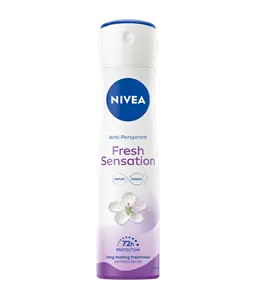
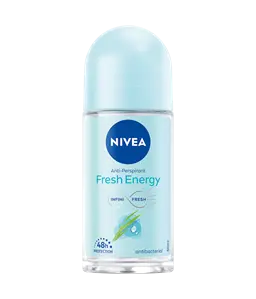
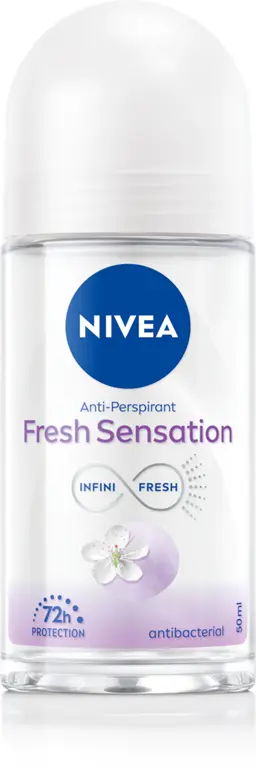
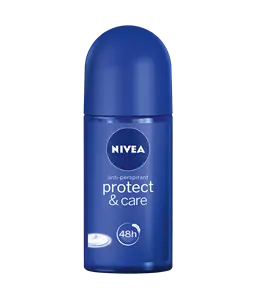
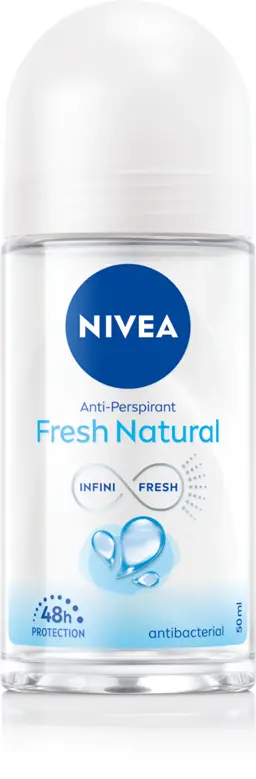
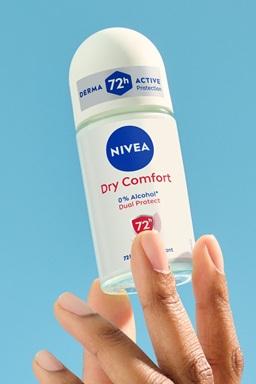
NIVEA antiperspirant deodorants are formulated to help provide reliable protection against sweat and body odour. Choose a quick-drying spray for on-the-go freshness or a roll-on for targeted, long-lasting protection. If you prefer not to block perspiration, a deodorant can help target odour instead.
Explore NIVEA Antiperspirants > - 2Wear Breathable Fabrics:
Opt for lightweight, moisture-wicking materials to help keep your skin dry. Natural fibres like cotton and linen are particularly effective in reducing sweat buildup 17 .
- 3Manage Stress Levels:
Practising relaxation techniques like deep breathing or meditation can help lower stress levels. Reduced stress can mean less sweating triggered by anxiety or nervousness.18
- 4Make Mindful Diet Choices:
Avoid consuming foods and drinks that trigger sweating, such as caffeine, alcohol, and spicy foods. Making more conscious dietary choices can significantly reduce excessive sweating19.
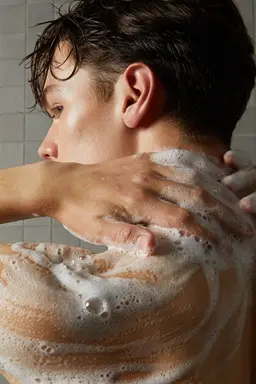
- 5Shower Regularly:While a daily shower routine won’t prevent sweating, maintaining a consistent hygiene routine helps wash away sweat, bacteria, and odour, leaving your skin feeling clean, fresh, and comfortable. Choose a gentle shower gel with a fragrance you enjoy, such as delicate floral or refreshing citrus notes, to cleanse the skin without drying it out. Avoid hot showers, as they may increase sweating, and finish with a cool rinse to help refresh your skin, especially during hot weather.
Discover the
NIVEA Derma Control Clinical Range
If you experience excessive sweating, the NIVEA Derma Control Clinical Ultra Comfort range is designed to help you stay protected and comfortable throughout the day. With extreme protection against sweat and odour for up to 100 hours, the range is designed to provide reliable care when you need it most.
Formulated with 2x Pure Hyaluron and Pro-Vitamin B5, it helps protect against skin dryness and itchiness while leaving underarm skin feeling smooth and comfortable. Available in spray and roll-on formats for women and men, it's easy to find an option that suits your routine.
*Instrumental test. 31 to 33 volunteers.
Spray: Quick and convenient protection against sweat and odour.
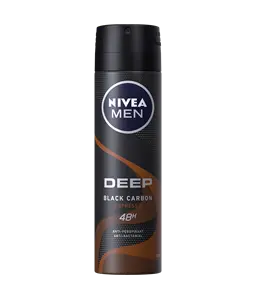
- NIVEA Derma Control Clinical Ultra Comfort Spray
- NIVEA MEN Derma Control Clinical Ultra Comfort Spray
Roll-On: Targeted protection with skin comfort in every application.

Summary
Sweating doesn’t have to control your life. By understanding its causes and learning how to sweat less with practical advice and reliable products such as the NIVEA antiperspirants, you can regain your confidence and feel fresh all day long. Seek medical advice in the event of unexplained excessive sweating to identify the underlying causes and determine the appropriate treatment.
FAQ
Antiperspirants are the most effective products for controlling sweat and body odour. They help reduce sweat production and keep skin feeling dry and comfortable. Deodorants help target odour without reducing sweat levels. NIVEA antiperspirants, such as the Derma Control Clinical range, are designed to offer reliable sweat protection with gentle care, available in sprays and roll-ons.
Related
Products
Related
Articles
Sources
1. Cleveland Clinic. (n.d.). Sweat. Available at: https://my.clevelandclinic.org/health/body/sweat.
2. Mayo Clinic. (2022). Sweating and body odor. Available at: https://www.mayoclinic.org/diseases-conditions/sweating-and-body-odor/symptoms-causes/syc-20353895.
3. Cleveland Clinic. (n.d.). Body Odor and Sweat: What's Normal and What's Not. Available at: https://my.clevelandclinic.org/health/symptoms/17865-body-odor.
4. Mayo Clinic. (2024). Hyperhidrosis - Diagnosis and treatment. Available at: https://www.mayoclinic.org/diseases-conditions/hyperhidrosis/diagnosis-treatment/drc-20367173
5. Cleveland Clinic. (n.d.). Hyperhidrosis: Types, Causes, Symptoms & Treatment. Available at: https://my.clevelandclinic.org/health/diseases/17113-hyperhidrosis.
6. Mayo Clinic. (n.d.). Excessive sweating Causes. Available at: https://www.mayoclinic.org/symptoms/excessive-sweating/basics/causes/sym-20050780.
7. American Osteopathic Association. (n.d.). Night Sweats. Available at: https://osteopathic.org/what-is-osteopathic-medicine/night-sweats/.
8. Johns Hopkins Medicine. (n.d.). Exercise-Related Heat Exhaustion. Available at: https://www.hopkinsmedicine.org/health/conditions-and-diseases/exerciserelated-heat-exhaustion.
9. Mayo Clinic. (n.d.). Social anxiety disorder (social phobia) - Symptoms and causes. Available at: https://www.mayoclinic.org/diseases-conditions/social-anxiety-disorder/symptoms-causes/syc-20353561.
10. Cleveland Clinic. (n.d.). Diaphoresis: Causes & Treatment. Available at: https://my.clevelandclinic.org/health/diseases/24496-diaphoresis.
11. Medical News Today. (n.d.). Diabetes and abnormal sweating: What is the connection ?. Available at: https://www.medicalnewstoday.com/articles/317366
12. Here's Why Some People Sweat More Than Others. Cleveland Clinic. Available at: https://health.clevelandclinic.org/why-do-i-sweat-so-much.
13. Inoue, Y., Ichinose-Kuwahara, T., Ueda, H., Tochihara, Y., & Kondo, N. (2014). Sex differences in acetylcholine-induced sweating responses due to physical training. Journal
of Physiological Anthropology, 33(1), 26. Available at: https://www.ncbi.nlm.nih.gov/pmc/articles/PMC4050411/
14. Best, A .; Lieberman, D. E .; Kamilar, J. M. Diversity and Evolution of Human Eccrine Sweat Gland Density. Journal of Thermal Biology 2019, 84, 331-338. https://doi.org/10.1016/j.jtherbio.2019.07.024
15. Hyperhidrosis: Signs and symptoms. www.aad.org. https://www.aad.org/public/diseases/a-z/hyperhidrosis-symptoms.
16. Mayo Clinic. Hyperhidrosis - Symptoms and causes. Mayo Clinic. https://www.mayoclinic.org/diseases-conditions/hyperhidrosis/symptoms-causes/syc-20367152.
17. REI. (n.d.). How to Pick the Most Breathable Fabrics. Available at: https://www.rei.com/learn/expert-advice/how-to-pick-the-most-breathable-fabrics.html.
18. Mayo Clinic. (2022). Relaxation techniques: Try these steps to lower stress. Available at: https://www.mayoclinic.org/healthy-lifestyle/stress-management/in-depth/relaxation-technique/art-20045368.
19. Cleveland Clinic. (2023). 8 Methods To Help You Stop Sweating. Available at: https://health.clevelandclinic.org/how-to-stop-sweating.